Our Story
The merchant’s road
ends at the sea
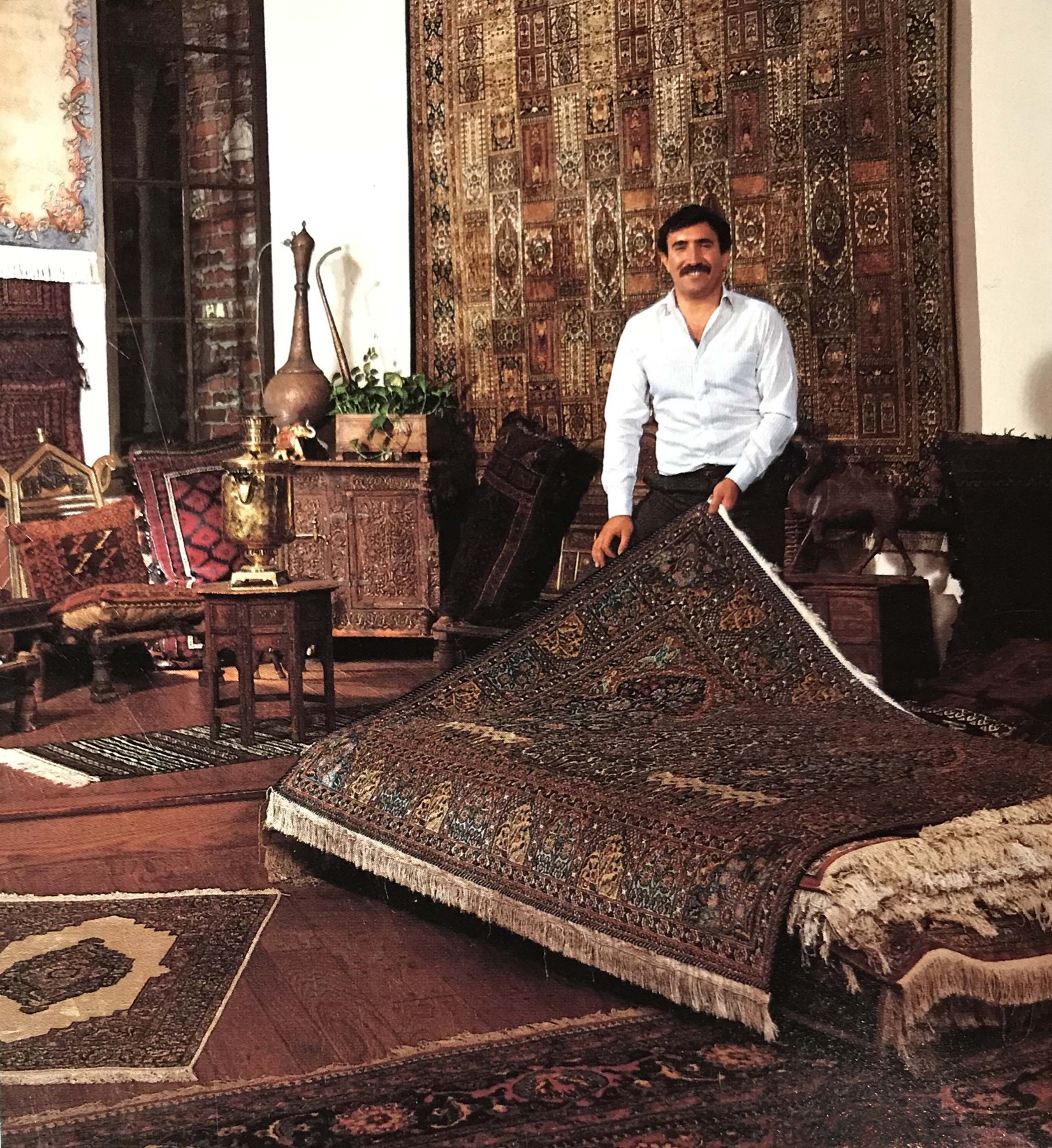
“Ours is a family business, merchants in Afghanistan for a century. It gave me an appreciation of our country’s tribal art — a deep love for rugs still hand-woven by families using methods more than 4,000 years old.”
— Sadiq Tawfiq
The inheritance
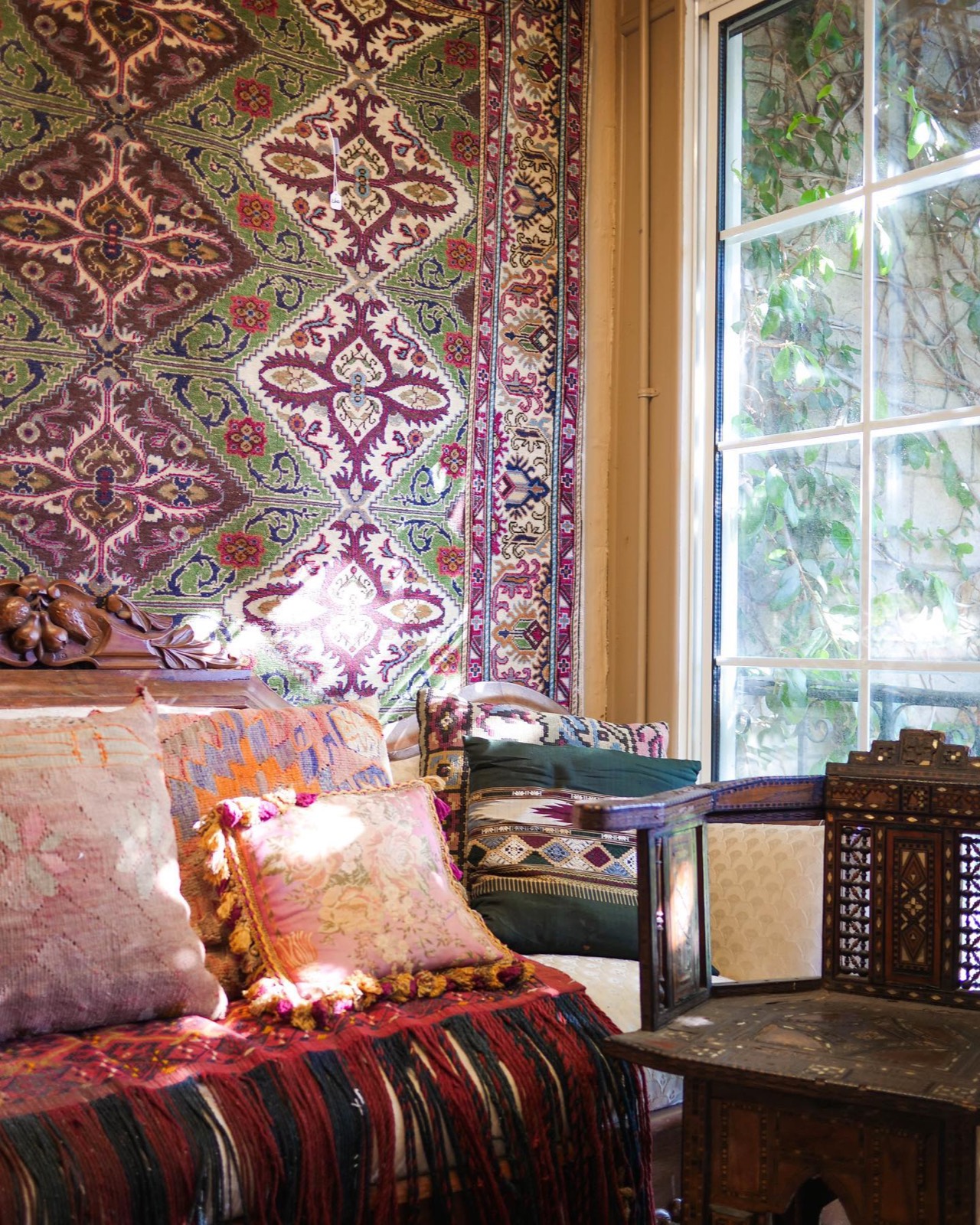
The rugs in this gallery are not a product line. They are the continuation of the oldest surviving textile tradition on earth — patterns carried village to village, mother to daughter, across four millennia.
Sadiq grew up inside that tradition, in the markets his family had traded in for generations.
The road west
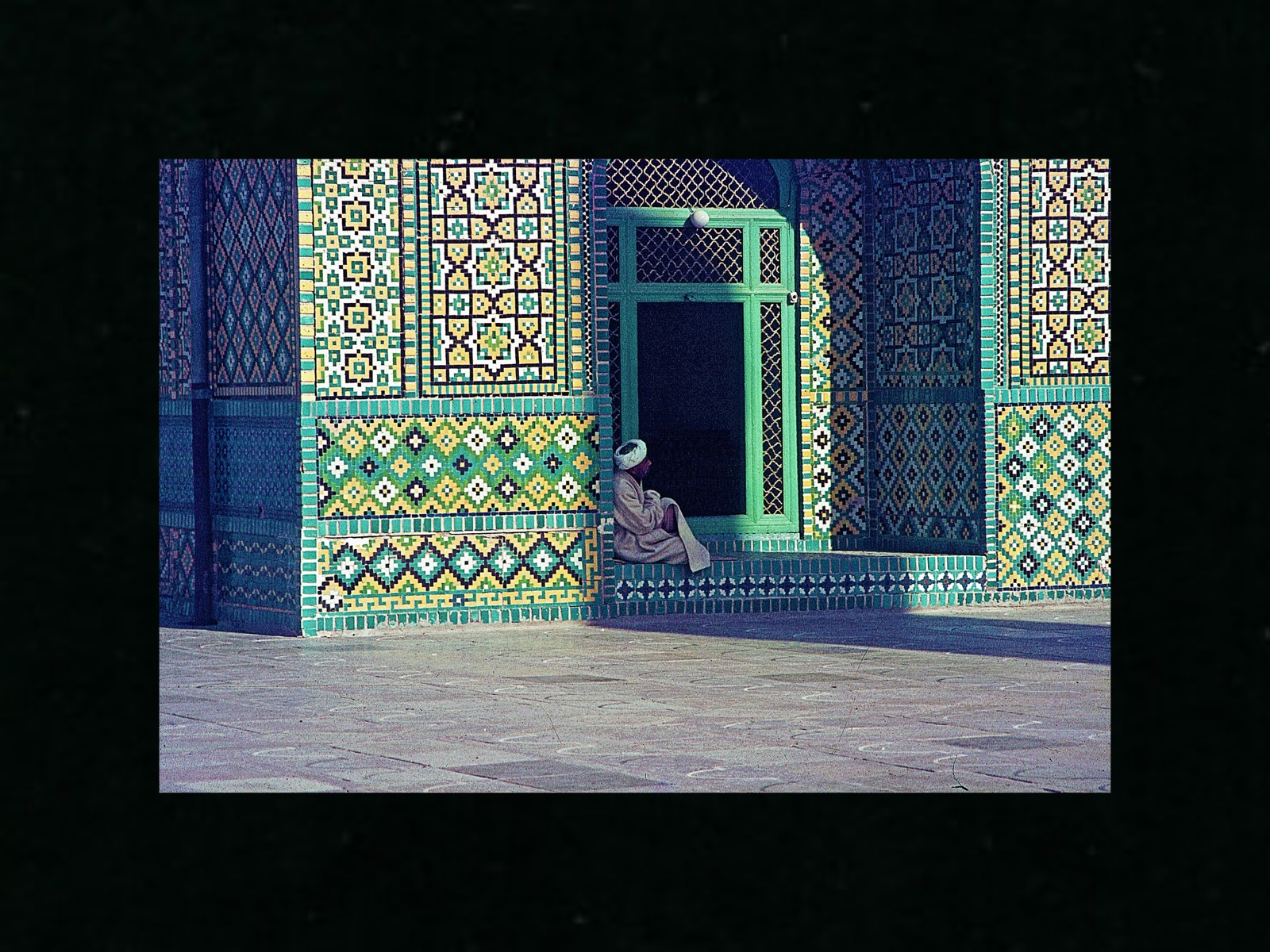
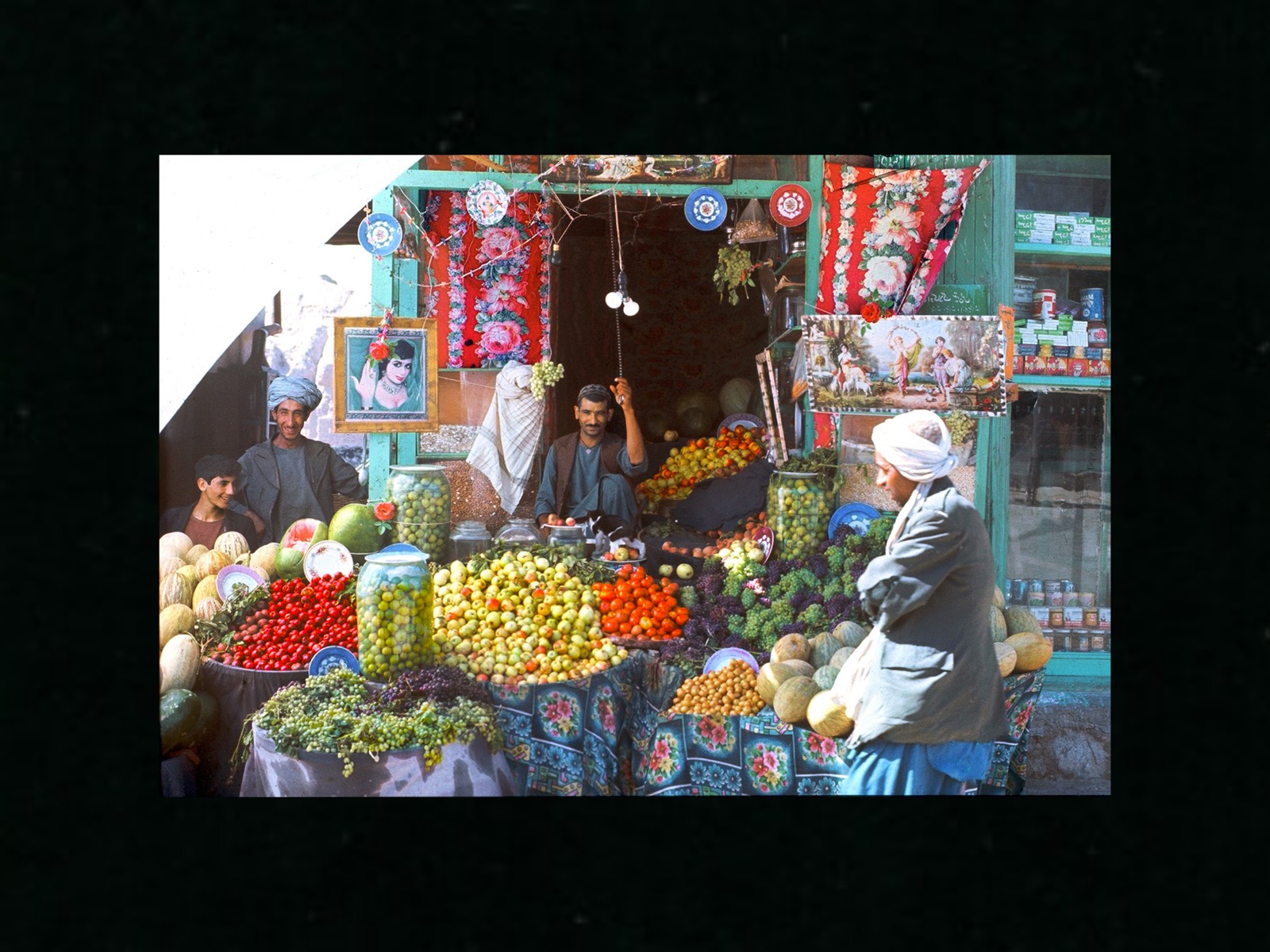
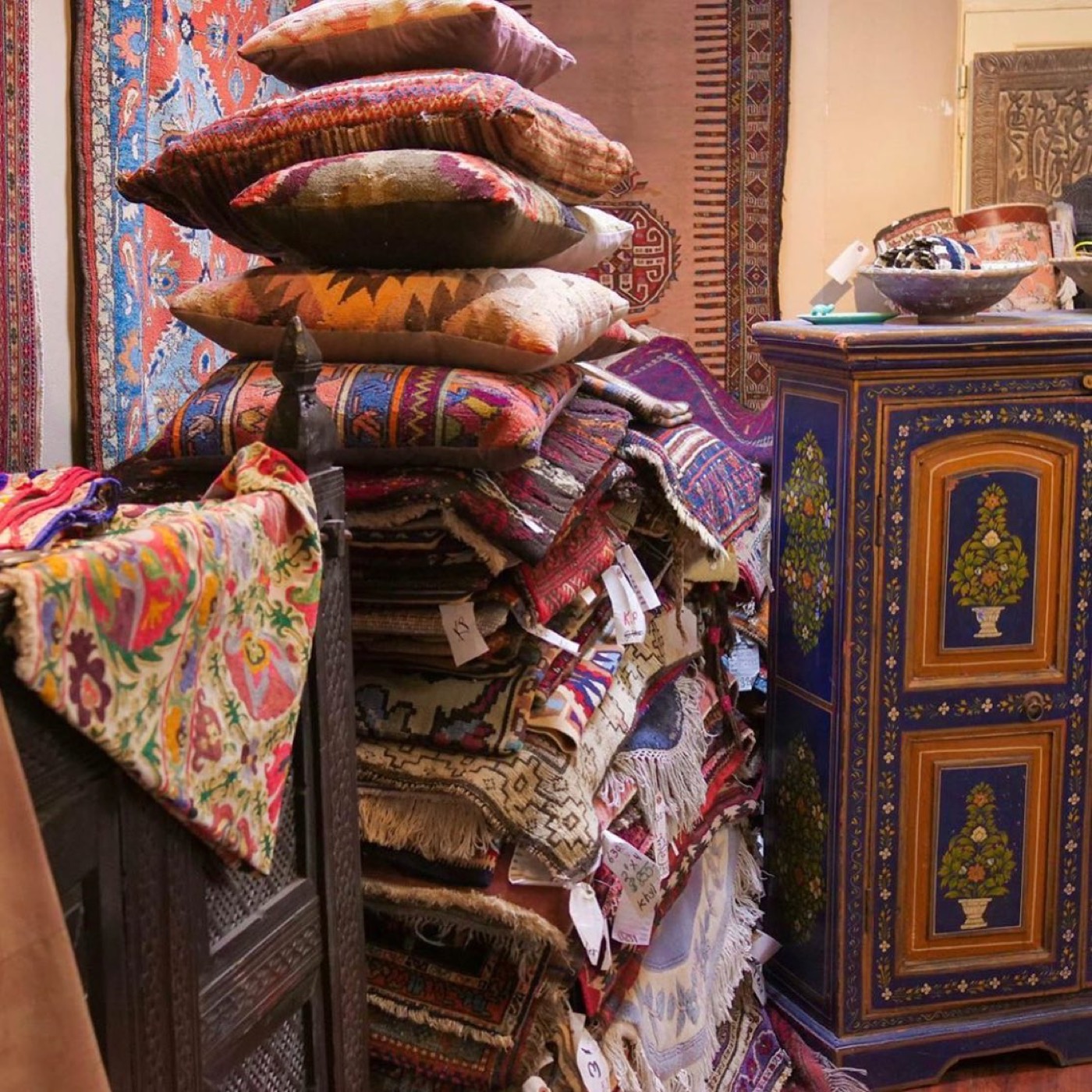
Every piece here was gathered the same way: by traveling to the regions and villages where the artists live and work, and buying from them directly. Nothing arrives on a pallet.
Each object comes with its account — who wove it, where, and how its patterns carry the history of a people.
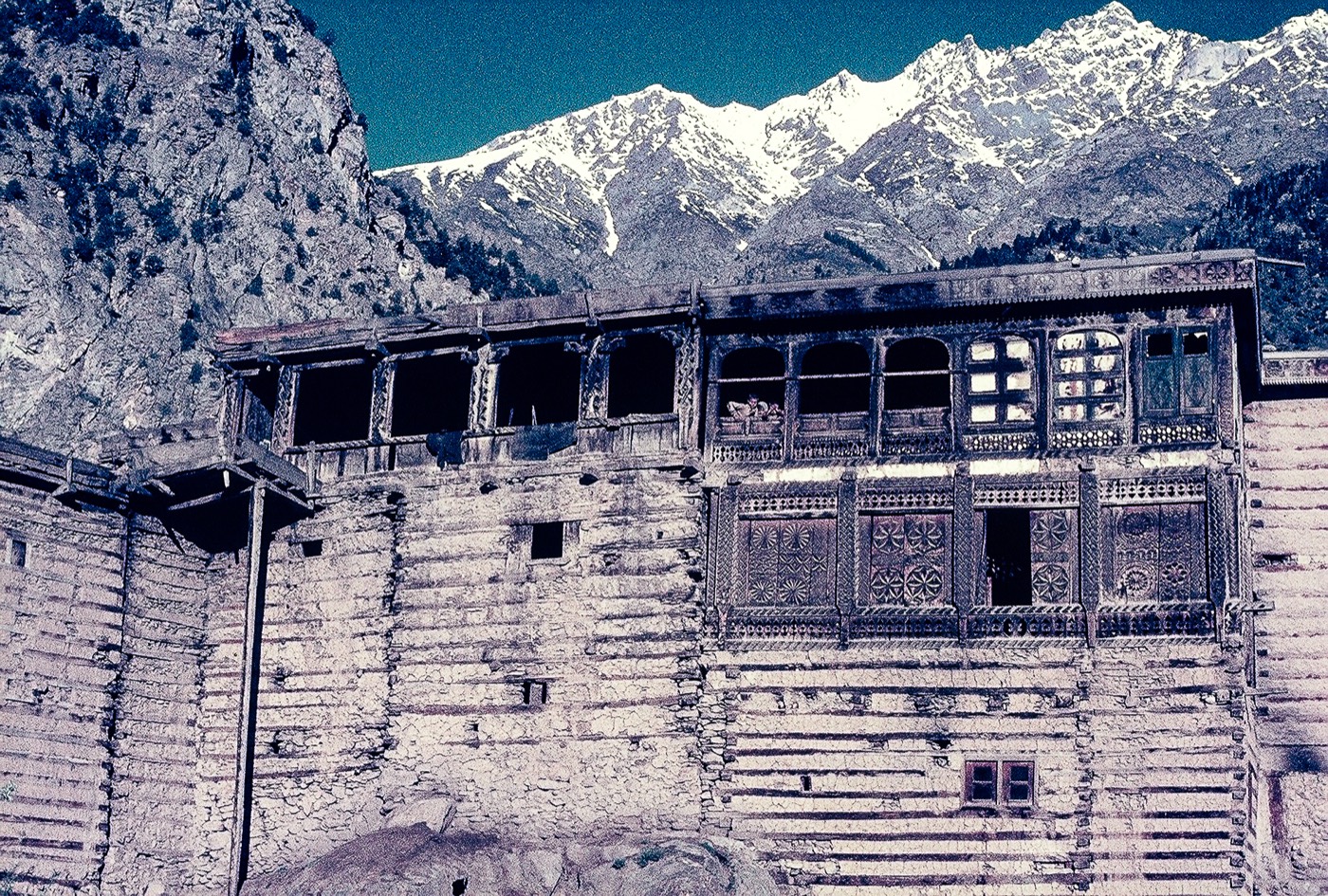
The road ends at the sea
In 1980, Sadiq brought that inheritance to a storefront on South Coast Highway and named it for the mountain pass his ancestors’ caravans crossed between Afghanistan and the subcontinent.
Forty-five years later, Khyber Pass Gallery remains what it was on the first day: one man’s collection, gathered by hand.
An authority, borrowed
A recognized authority on tribal art, Sadiq lectures at schools and universities on the power of art to build bridges between cultures.
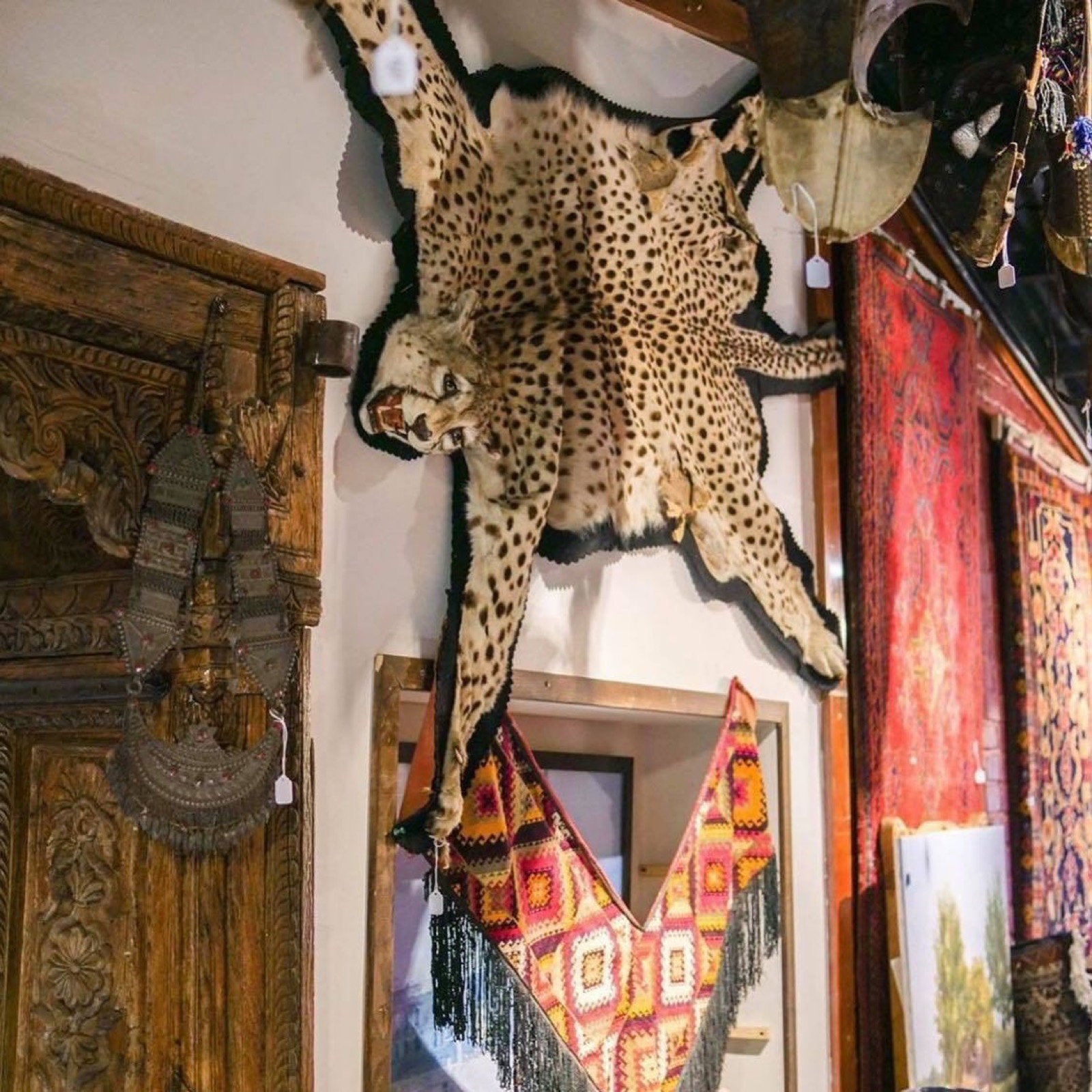
Hollywood has borrowed his eye more than once — he served as technical advisor on Rambo III and Three Kings, and the gallery’s pieces have dressed film sets across California.
The doors are part of the collection.
One of them was made in the year 1500. Come see it.